Fairtrade Fortnight
22nd September – 5th October
Tea is the most popular drink in the world after water – an estimated 70,000 cups are drunk every second.
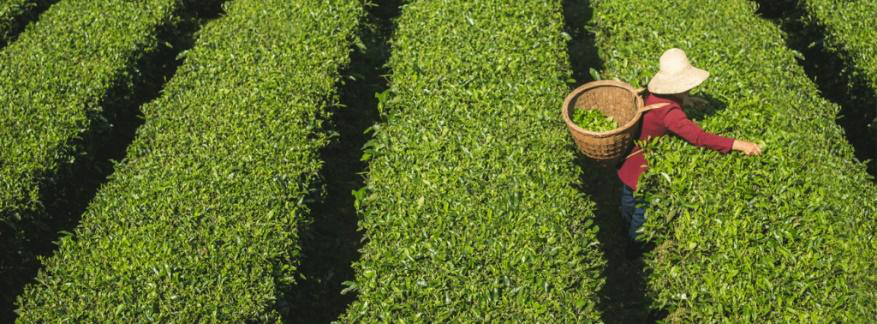
Tea is produced on large plantations or estates and picked by employed workers. It is also grown on small plots of land (in Africa these plots are often less than half the size of a football pitch) by small-scale farmers who sell their freshly-plucked green leaf to plantations or tea factories where it is processed into black tea.
Small-scale tea producers in countries such as Kenya and Sri Lanka are most at risk from fluctuating prices and pressure in supply chains controlled by large companies. Tea growers earn a fraction of the price paid in shops.
Tea production is extremely labour intensive and physically demanding. The majority of ‘pluckers’ are women who often experience back pain and are at risk of exposure to pesticides and extreme weather conditions. Discrimination and harassment are widespread, and the women often work longer hours for lower wages than men.
By complying with Fairtrade Standards, both tea plantations and self-governed small farm organisations can become Fairtrade certified. In the case of tea, these standards include an origin-specific minimum price as well as the payment of an additional Fairtrade premium which producers can invest as they wish. They could focus on improving farming methods or invest in education, clean water or health care.
By buying Fairtrade tea you are giving farmers and workers greater security and equality and enabling them to improve the lives of their families and communities.
So, however you make your cuppa, make sure it’s Fairtrade.
Fairtrade tea available locally from M & S, Co-op and Lidl.